- Space
- Astronomy
- The Moon
On the night of Feb. 2, skywatchers in eastern North America can see the moon occult Regulus — a rare event visible to the naked eye.
When you purchase through links on our site, we may earn an affiliate commission. Here’s how it works.
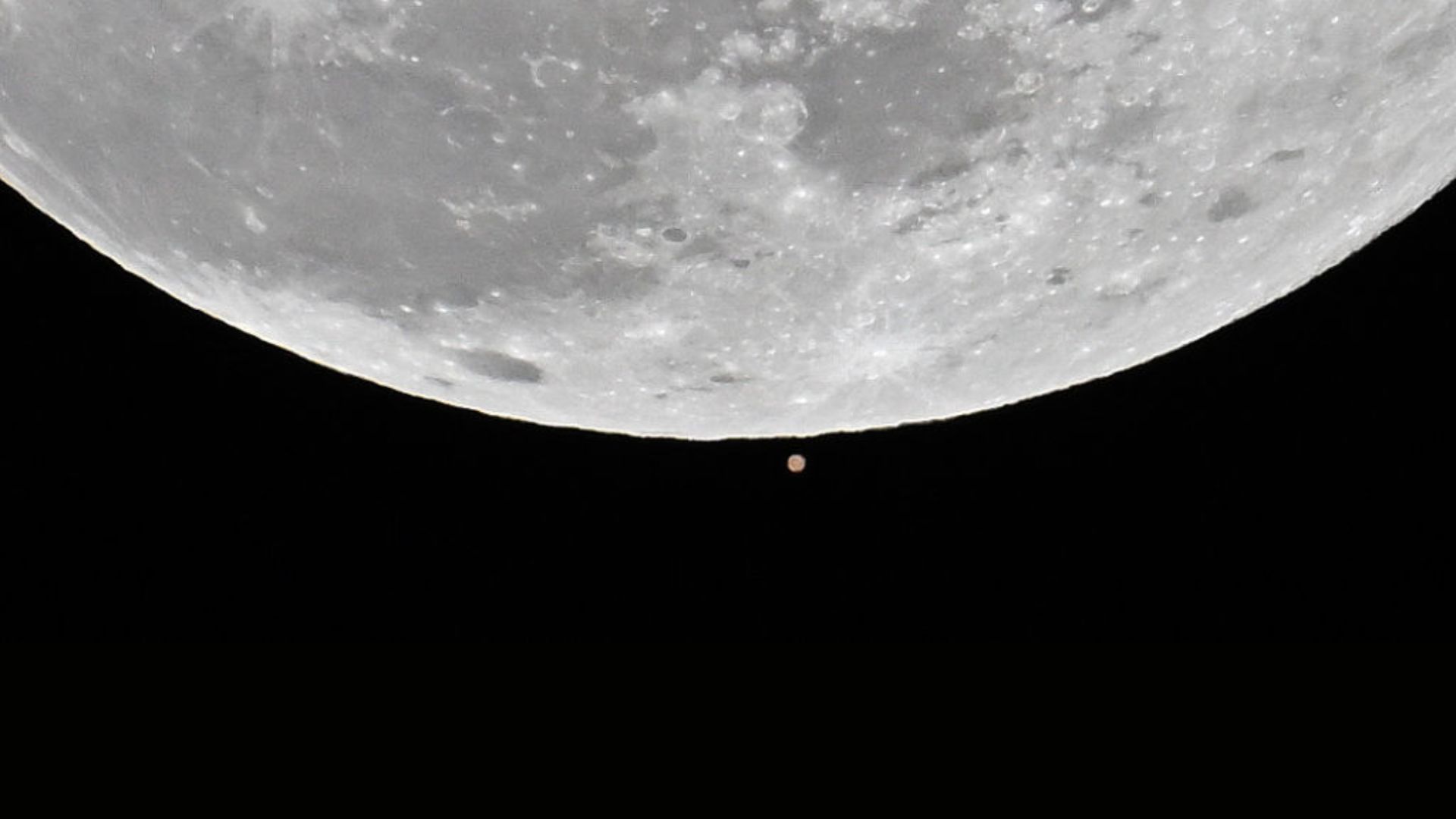 Mars being occulted by the moon. The bright star Regulus will be occulted by the full moon on Feb. 2
(Image credit: Getty Images)
Mars being occulted by the moon. The bright star Regulus will be occulted by the full moon on Feb. 2
(Image credit: Getty Images)
- Copy link
- X
Get the world’s most fascinating discoveries delivered straight to your inbox.
Become a Member in Seconds
Unlock instant access to exclusive member features.
Contact me with news and offers from other Future brands Receive email from us on behalf of our trusted partners or sponsors By submitting your information you agree to the Terms & Conditions and Privacy Policy and are aged 16 or over.You are now subscribed
Your newsletter sign-up was successful
Want to add more newsletters?

Delivered Daily
Daily Newsletter
Sign up for the latest discoveries, groundbreaking research and fascinating breakthroughs that impact you and the wider world direct to your inbox.
Signup +
Once a week
Life's Little Mysteries
Feed your curiosity with an exclusive mystery every week, solved with science and delivered direct to your inbox before it's seen anywhere else.
Signup +
Once a week
How It Works
Sign up to our free science & technology newsletter for your weekly fix of fascinating articles, quick quizzes, amazing images, and more
Signup +
Delivered daily
Space.com Newsletter
Breaking space news, the latest updates on rocket launches, skywatching events and more!
Signup +
Once a month
Watch This Space
Sign up to our monthly entertainment newsletter to keep up with all our coverage of the latest sci-fi and space movies, tv shows, games and books.
Signup +
Once a week
Night Sky This Week
Discover this week's must-see night sky events, moon phases, and stunning astrophotos. Sign up for our skywatching newsletter and explore the universe with us!
Signup +Join the club
Get full access to premium articles, exclusive features and a growing list of member rewards.
Explore An account already exists for this email address, please log in. Subscribe to our newsletterStargazers in eastern North America will see something truly rare in the night sky this weekend: a very bright star being occulted by the full "Snow Moon."
After turning full Sunday (Feb. 1), the bright moon will move across Regulus, the brightest star in the constellation Leo, briefly making it disappear from the night sky Monday night (Feb. 2). Skywatchers are in for a treat because this rare event, called a lunar occultation, will be visible to the naked eye from large portions of the U.S. and Canada.
It's the latest in a string of lunar occultations of Regulus that began last year and will continue through this year, but it's the first and only of these disappearing acts to be easily visible to observers in North America. The best views will be from the eastern half of North America — from the Midwest to the East Coast, including eastern Canada — a few hours after sunset, as well as from northwest and west Africa.
You may like-
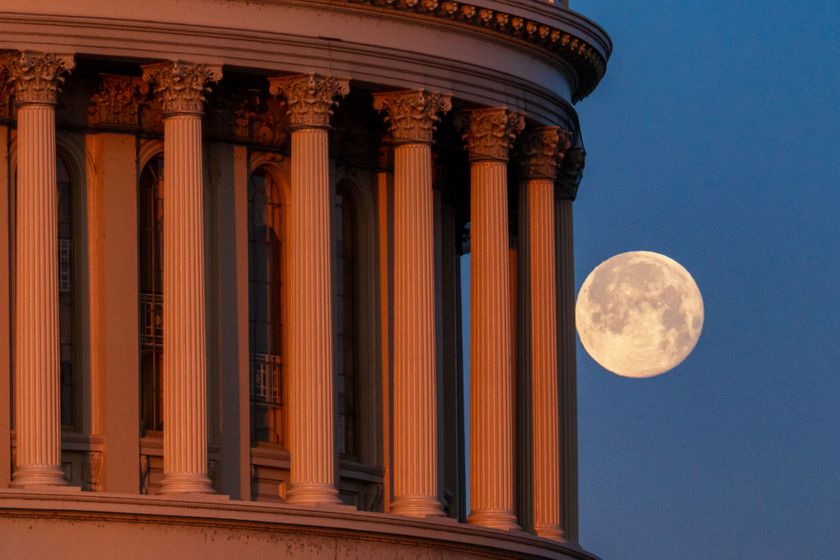 See February's full Snow Moon rise this weekend next to a glittering star cluster
-
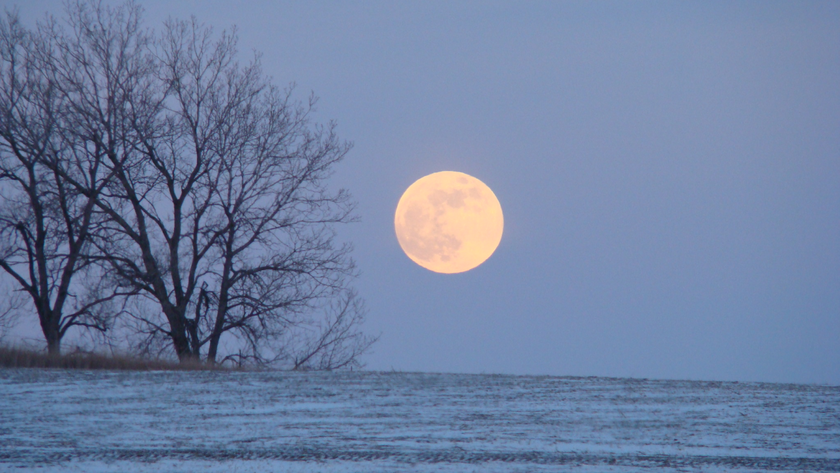 January 'Wolf Supermoon': How to see the full moon rise with Jupiter this weekend
-
 Quadrantid meteor shower peaks this week: How to see the first 'shooting' stars of the year
Observers will see Regulus — the 21st brightest star in the night sky — vanish behind the moon and reappear about an hour later, though your location will determine what you'll see, when, and for how long.
In cities like New York, Toronto and Boston, the event will occur between 8:40 and 10:05 p.m. EST. For example, in New York City, Regulus will disappear at 8:51 p.m. and reappear at 9:54 p.m. EST, according to In-The-Sky.org. The farther west you are, the lower the occultation will appear in the sky earlier in the evening, although this event will not be visible from the western half of North America.
Although this event can be seen with the naked eye, the key moments — the beginning and end of the occultation — will be more impactful with a little magnification, such as a pair of stargazing binoculars or a small telescope trained on the moon. One of the highlights is ingress, when Regulus will sit alongside the bright edge of the moon and be enveloped by it. After being hidden, it will emerge on the other side of the bright moon — a moment called egress.
The next major lunar occultation — an occultation of Venus on June 17 — will occur during daytime hours in North America, so will not be visible. Make sure to watch Regular disappear this weekend for a rare lunar treat.
Sign up for the Live Science daily newsletter nowContact me with news and offers from other Future brandsReceive email from us on behalf of our trusted partners or sponsorsBy submitting your information you agree to the Terms & Conditions and Privacy Policy and are aged 16 or over. Jamie CarterSocial Links NavigationLive Science contributor
Jamie Carter is a Cardiff, U.K.-based freelance science journalist and a regular contributor to Live Science. He is the author of A Stargazing Program For Beginners and co-author of The Eclipse Effect, and leads international stargazing and eclipse-chasing tours. His work appears regularly in Space.com, Forbes, New Scientist, BBC Sky at Night, Sky & Telescope, and other major science and astronomy publications. He is also the editor of WhenIsTheNextEclipse.com.
View MoreYou must confirm your public display name before commenting
Please logout and then login again, you will then be prompted to enter your display name.
Logout Read more January 'Wolf Supermoon': How to see the full moon rise with Jupiter this weekend
 Quadrantid meteor shower peaks this week: How to see the first 'shooting' stars of the year
 Cold Moon 2025: See the last and highest full moon of the year
Full moons of 2026: When to see all 13 moons rise next year
Cold Moon 2025: See the last and highest full moon of the year
Full moons of 2026: When to see all 13 moons rise next year
 Jupiter will outshine every star in the sky this weekend — how to see the 'king of planets' at opposition
 February 2026 night sky: What to see and what you need
Latest in The Moon
February 2026 night sky: What to see and what you need
Latest in The Moon
 See February's full Snow Moon rise this weekend next to a glittering star cluster
 Why does the moon look larger when it's on the horizon?
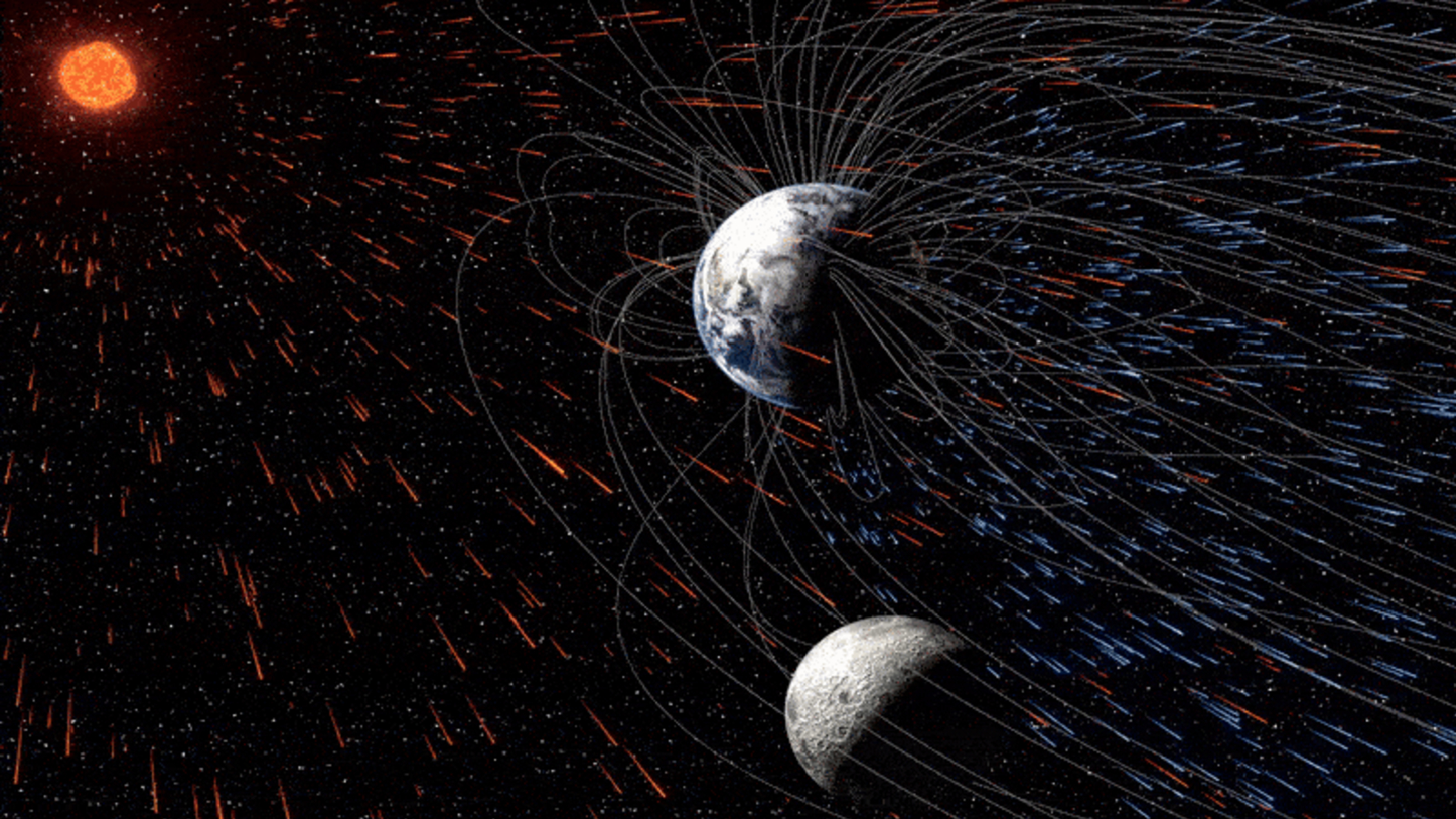 The moon has been secretly feasting on Earth's atmosphere for billions of years
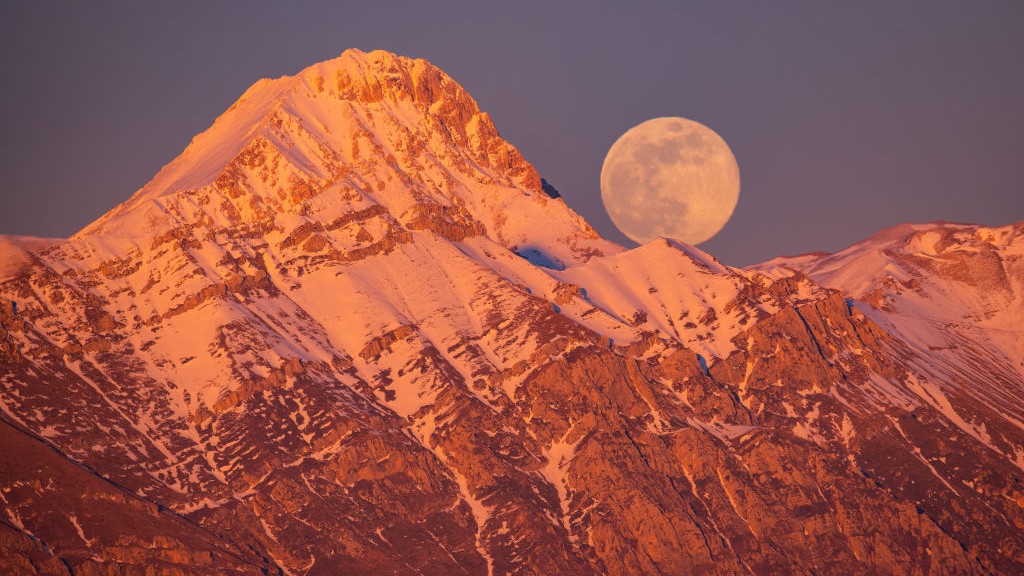 'Wolf Supermoon' gallery: See the first full moon of 2026 in pictures from across the world
Full moons of 2026: When to see all 13 moons rise next year
Cold Moon 2025: See the last and highest full moon of the year
Latest in News
'Wolf Supermoon' gallery: See the first full moon of 2026 in pictures from across the world
Full moons of 2026: When to see all 13 moons rise next year
Cold Moon 2025: See the last and highest full moon of the year
Latest in News
 Hydrogen leak derails Artemis II wet rehearsal, pushing launch date back by weeks
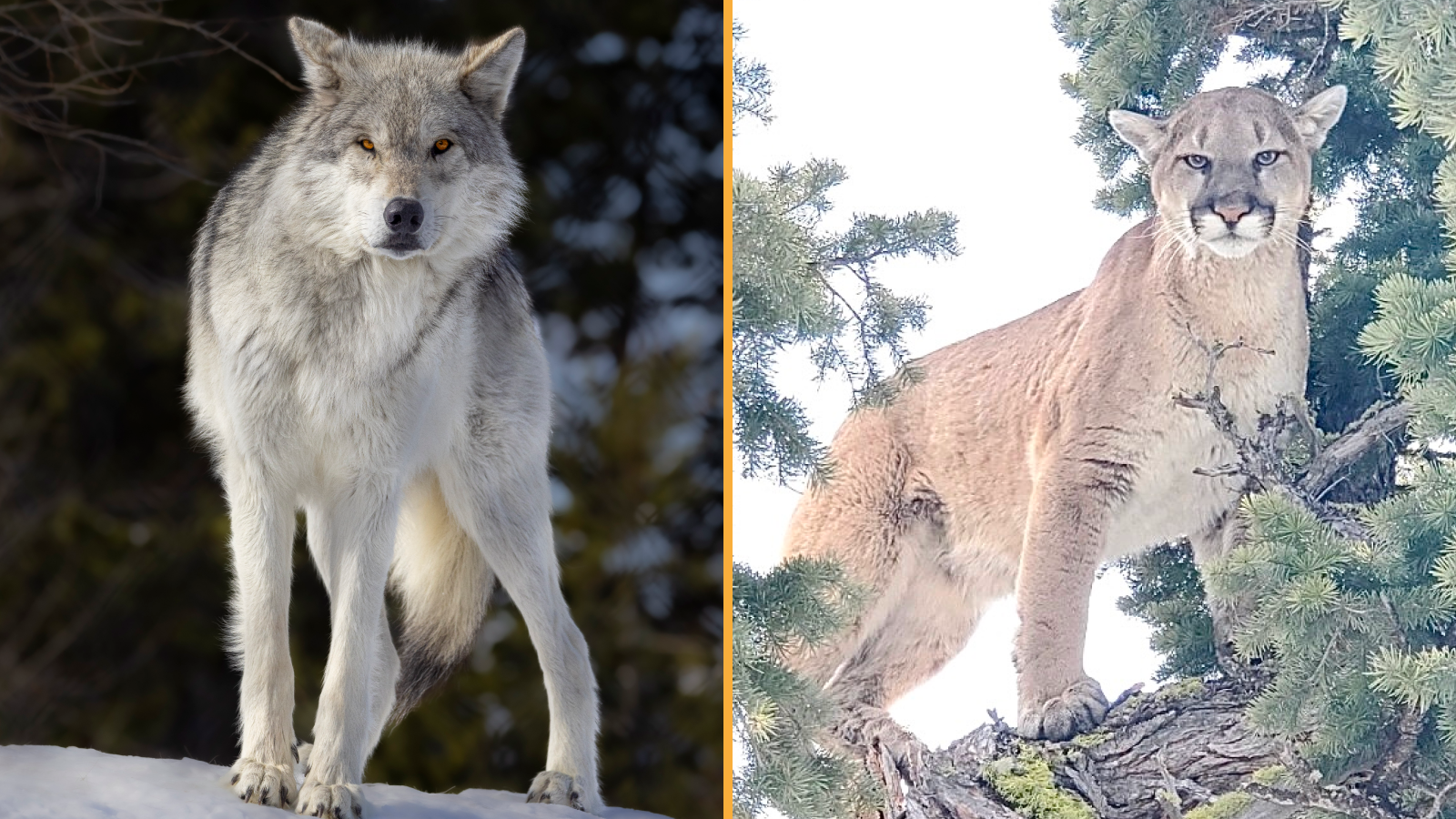 'System in flux': Scientists reveal what happened when wolves and cougars returned to Yellowstone
 In the search for bees, Mozambique honey hunters and birds share a language with distinct, regional dialects
 'Landmark' elephant bone finding in Spain may be from time of Hannibal's war against Rome
 Scientists smash record for superposition, bringing quantum world tantalizingly close to reality
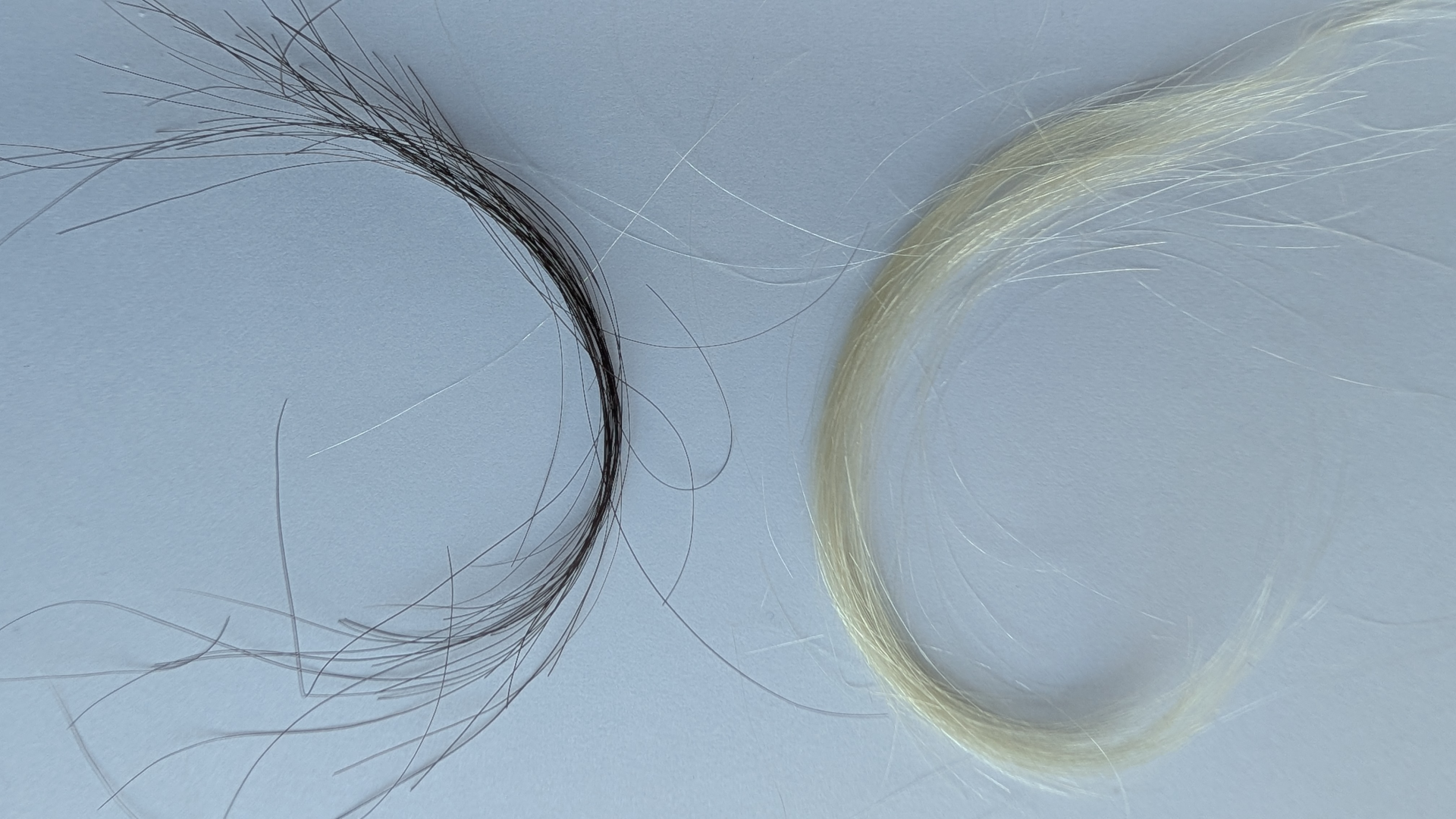 Preserved hair reveals just how bad lead exposure was in the 20th century
LATEST ARTICLES
Preserved hair reveals just how bad lead exposure was in the 20th century
LATEST ARTICLES- 1Hydrogen leak derails Artemis II wet rehearsal, pushing launch date back by weeks
- 2'Landmark' elephant bone finding in Spain may be from time of Hannibal's war against Rome
- 3Mokoqi Star Projector Night Light review
- 4'System in flux': Scientists reveal what happened when wolves and cougars returned to Yellowstone
- 5In the search for bees, Mozambique honey hunters and birds share a language with distinct, regional dialects